

Where Light Learns to Dance with Love
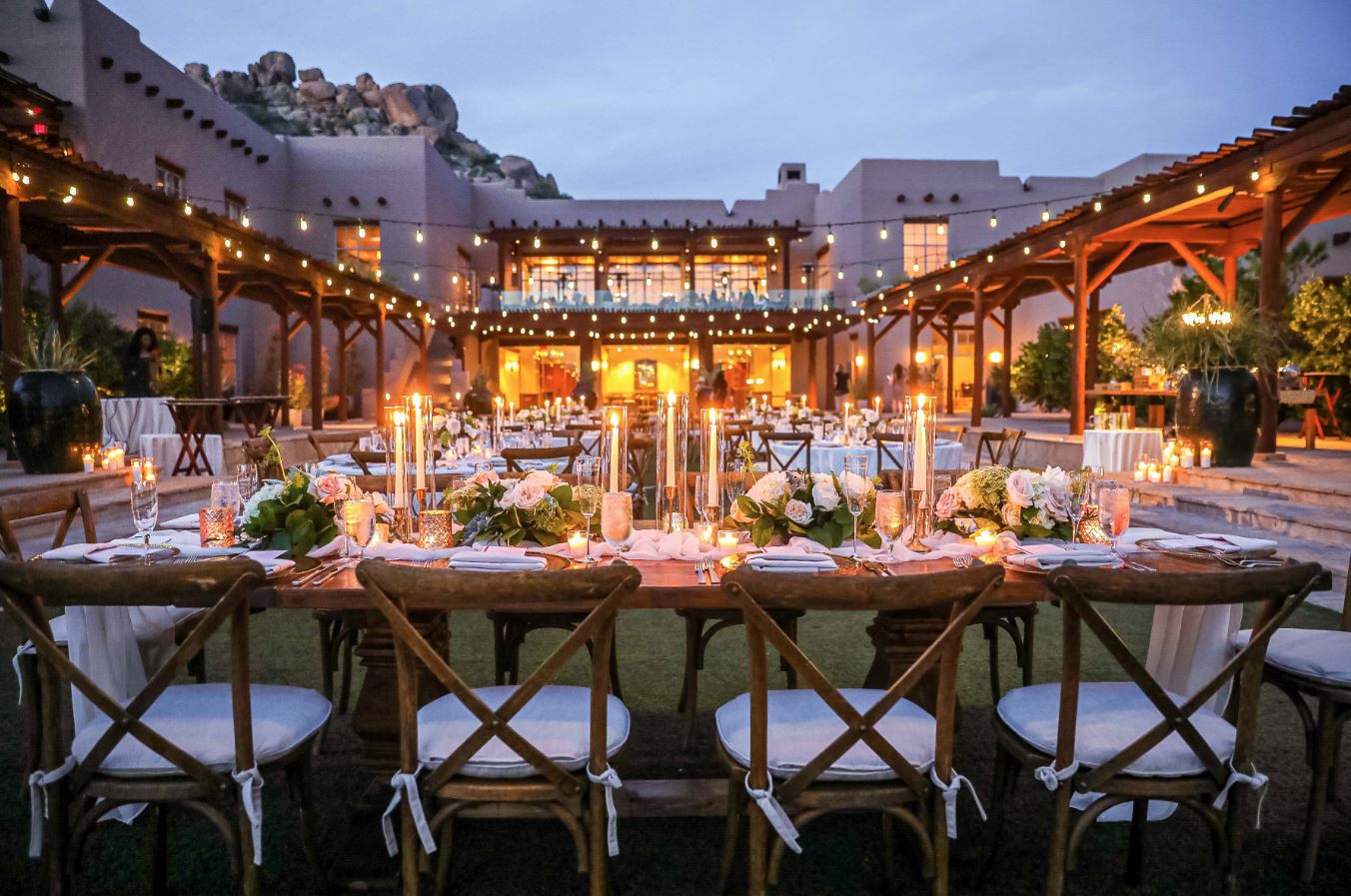
Illumination Shapes Emotion and Memory at Every Wedding Moment
The Language of Light and Emotion
Light has its own vocabulary, one that speaks directly to the heart. In weddings, it is the invisible storyteller, shaping how every glance, touch, and gesture feels. The soft flicker of a candle can make a whisper feel eternal, while golden uplighting can turn a simple venue into a dreamscape. Light defines space, but more importantly, it defines mood. Every hue, intensity, and direction carries meaning. Warm tones invite intimacy. Cool light brings calm and clarity. Shadows lend mystery, and contrast draws attention. To understand lighting in weddings is to understand how emotion can be painted across time and space without a single word being spoken. It is not decoration; it is narrative made visible.
When planned with intention, lighting becomes an experience rather than a feature. It guides guests through emotional transitions, from the quiet reverence of the ceremony to the exuberant rhythm of the reception. The right illumination does more than reveal faces; it reveals feeling. Photographers often say that light makes or breaks a shot, but for weddings, it also makes or breaks the memory. A well-lit moment lives forever in memory with clarity and beauty, while a poorly lit one fades too soon. That is the subtle power of light, it writes the emotional script of the day without ever asking for applause.
Natural Light and the Ceremony of Dawn
There is something profoundly sacred about natural light. It is pure, unpredictable, and alive. Morning ceremonies, kissed by the early sun, glow with a softness that no artificial source can replicate. The air itself feels different, filled with promise and calm. As the sun rises, it carries symbolism, the beginning of a shared journey, the rebirth of two lives intertwined. Couples who choose to wed in the presence of natural light often seek authenticity, allowing the day to unfold in rhythm with the world around them. The gentle wash of sunlight through leaves, or the golden shimmer across a beach, gives every photograph a natural poetry that technology can only imitate.
Even afternoon or sunset ceremonies thrive on the personality of natural illumination. The way it shifts from gold to amber to rose mirrors the emotional progression of the event. As daylight fades, it hands its palette to the next phase of artistry, artificial lighting. The transition from sunlight to curated glow marks the passage from ceremony to celebration. In this dance between day and night, nature provides the opening act, while human creativity delivers the encore. That collaboration between the organic and the designed is what gives wedding lighting its profound depth.
The Architecture of Artificial Light
Once the sun retires, design takes the stage. Artificial lighting allows precision, control, and imagination to flourish. It transforms empty halls into romantic worlds, each with its own rhythm and personality. Chandeliers lend grandeur, string lights bring whimsy, and soft uplighting molds the contours of walls and arches into living sculptures. Every light fixture contributes to the architecture of emotion. Even placement becomes strategic, lights that draw the eye to the couple, to the dance floor, or to the floral arrangements guide guests unconsciously through the event’s rhythm. This is what lighting designers refer to as visual choreography. It directs the gaze, orchestrates energy, and subtly dictates movement.
Modern weddings increasingly rely on layered lighting: combining multiple types to achieve depth and dimension. A base layer provides general brightness, while accent lighting highlights details like centerpieces or decor. Dynamic lights, such as moving heads or dimmable LEDs, add animation and drama. Together, these layers create balance between visibility and atmosphere. The technology behind it, color temperature adjustments, programmable fades, wireless control systems, has become as refined as sound design. But despite its complexity, the best artificial lighting never feels artificial. It must feel organic, as if the light itself were breathing with the rhythm of the celebration.
The Emotional Spectrum of Color
Color is the emotional heart of lighting. It can transform a simple moment into a cinematic experience. Each hue carries psychological undertones. Gold and amber evoke warmth and nostalgia, perfect for dinners or first dances. Blue suggests calmness, often used to create depth or to enhance romantic serenity. Pink and rose tones bring tenderness, ideal for receptions centered around intimacy and affection. Meanwhile, white light embodies purity, reflecting the clarity of vows and new beginnings. The interplay between these tones defines the emotional flow of the event, subtly guiding guests from reflective stillness to joyful abandon.
Modern lighting designers also play with color gradients, slow transitions that evolve over time. This technique can mirror the emotional progression of a wedding, shifting tones as the evening unfolds. For instance, the soft blush of cocktail hour might evolve into golden warmth during dinner, before giving way to vibrant color on the dance floor. Each transition feels seamless, carrying guests deeper into the rhythm of the night. The careful management of color is like painting with emotion, and when done masterfully, it allows light to echo the very essence of love, ever-changing, yet always beautiful.
The Art of Candlelight and Intimacy
While technology can sculpt light with precision, candlelight remains unmatched in creating intimacy. Its flicker brings movement, softness, and humanity to even the grandest spaces. A single flame can make a vast hall feel personal, while hundreds of candles can transform it into a sanctuary of warmth. Candlelight plays upon faces, highlighting the glow of eyes and the shimmer of glass, making every photo feel timeless. It communicates peace without silence, and love without words. That ancient connection between flame and affection transcends culture and time. The ritual of lighting candles during weddings has persisted precisely because it symbolizes continuity, of warmth, of guidance, and of shared illumination.
Designers often combine candles with mirrored or metallic surfaces to amplify their glow, creating the illusion of infinite light. Floating candles add dimension to water features, while tall candelabras create architectural drama. Safety considerations may limit the use of open flames in some venues, but battery-operated alternatives have evolved to mimic natural flicker with astonishing realism. The essence remains unchanged: candlelight is not about brightness; it is about presence. It asks the room to slow down, to breathe, and to feel. Under its influence, even a whisper seems profound.
Light as Storytelling and Memory
Every moment of a wedding can be framed by light. From the glow of the aisle to the brilliance of the dance floor, lighting narrates the progression of emotion. It tells guests when to pause, when to celebrate, and when to simply observe. The ceremony may begin in soft pastels, the dinner may glow in amber, and the dance floor may pulse with vibrant color. Each phase is a chapter in a visual novel written through illumination. What begins as ambience becomes narrative, guiding the audience through a shared emotional journey.
Even in photographs, light continues to tell that story. The interplay between shadow and glow shapes memory. When couples look back years later, they do not just remember faces; they remember how the day felt. That feeling is light captured in memory. The way the sunlight filtered through the veil, or how the fairy lights blurred in the background of a kiss, these are not coincidences, but the outcome of thoughtful design. The greatest lighting concepts are not noticed consciously; they are felt deeply. They transform moments into experiences that live on long after the final bulb dims.
The Integration of Technology and Artistry
As technology evolves, lighting design has reached new realms of creativity. Wireless LEDs, intelligent lighting systems, and projection mapping have expanded what is possible. Couples can now project stars onto ceilings, patterns onto walls, or even animations that interact with live music. Yet with such power comes responsibility. The best designs remember that light should enhance emotion, not distract from it. Overly complex systems risk turning celebration into spectacle. Balance remains the golden rule. Technology is the brush, not the artist. When used with restraint and imagination, it elevates every moment without stealing its soul.
One of the most powerful innovations in modern weddings is programmable lighting that adapts dynamically to the event’s timeline. With a single tap, lighting can shift from ceremony calmness to dinner elegance, then to the vibrant rhythm of dance. It keeps energy fluid, ensuring no emotional disconnect between phases. This synchronization between sound, movement, and illumination creates immersive experiences where guests feel not like observers but participants. Technology, when aligned with artistry, becomes an extension of love’s own language, precise, beautiful, and timelessly expressive.
The Symbolism of Light and the Promise of Tomorrow
Throughout history, light has symbolized hope, transformation, and renewal. In weddings, that symbolism finds its purest form. Light unites past and future, it celebrates what has been while illuminating what lies ahead. When the final dance ends and the last candle burns low, it is not darkness that follows but the gentle glow of memory. The couple steps into their new life bathed in that same light, carrying its warmth with them. Every bulb, every flame, every reflection becomes a metaphor for love’s enduring brilliance.
Guests leave, the lights fade, but their glow remains within hearts. That is the paradox of lighting: it disappears and yet endures. It touches without lasting, yet what it creates lasts forever. A wedding illuminated with care is not just beautiful to behold; it is spiritually resonant. It teaches that love, like light, is both fragile and infinite. It flickers and shifts, but it never truly goes out. To light a wedding is to light a future, one that will continue to shine long after the night has surrendered to dawn.
The Eternal Glow of Celebration
When the last guest departs and silence returns, traces of light remain, reflected in glassware, remembered in laughter, and stored forever in photographs. In that afterglow lies the essence of celebration. The artistry of lighting is not about brightness or color alone; it is about the feeling it leaves behind. Every carefully placed fixture, every gentle beam, contributes to a mosaic of emotion. The couple walks away not just with memories but with an atmosphere imprinted upon their souls. The glow lingers quietly, whispering that even as time passes, the light of love continues to shimmer, eternal and unbroken. That is the legacy of light, it does not simply illuminate; it sanctifies.