

A Suit Measured in Emotion
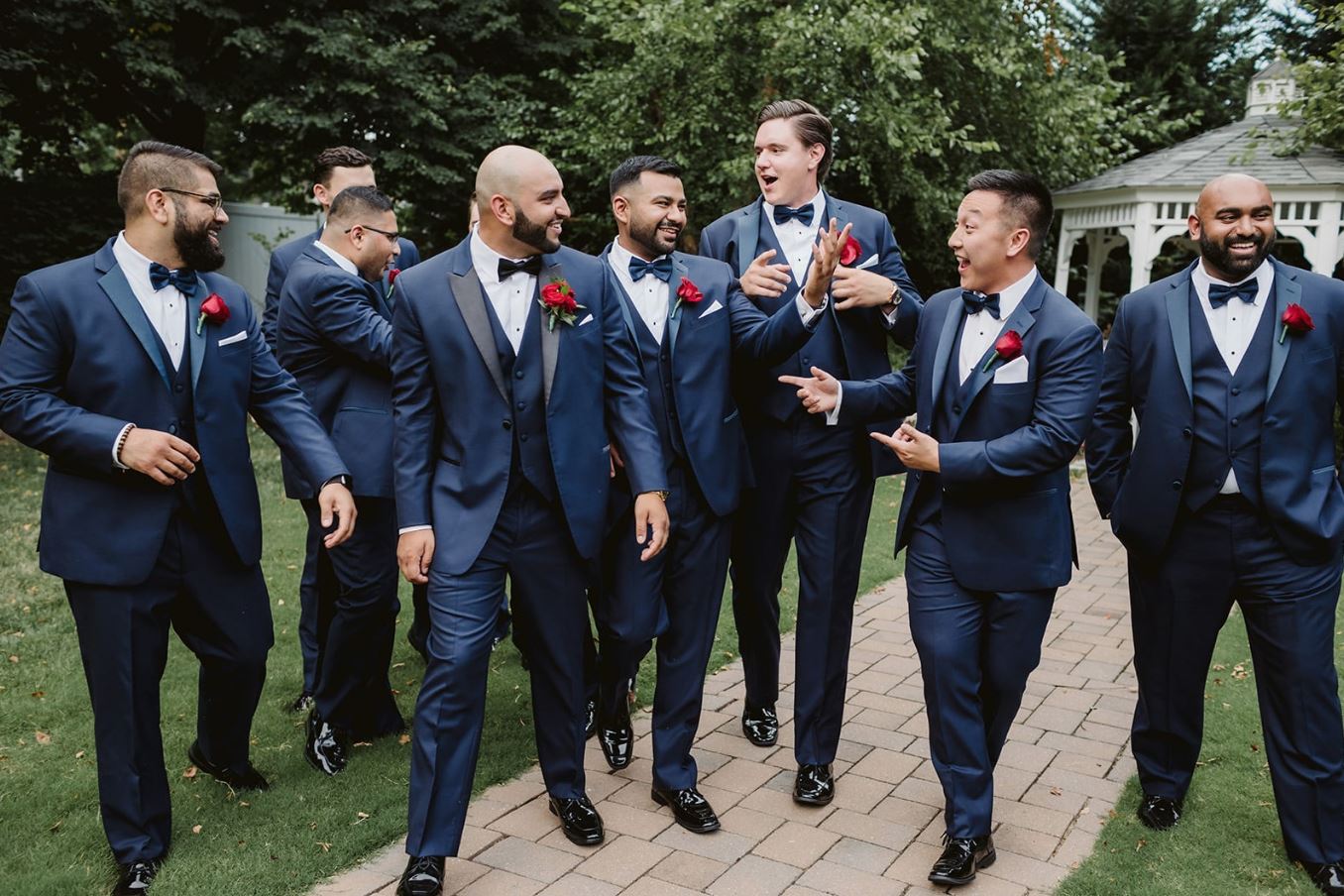
Modern Grooms Redefine Style Through Intention and Detail
The Evolution of Masculine Ceremony
Across generations, the groom’s attire has shifted from functional uniformity to a refined expression of individuality. The evolution of masculine wedding fashion mirrors broader cultural movements toward authenticity and emotional presence. Once, a groom’s primary duty in appearance was to complement his bride. His attire was expected to be formal but secondary, dignified yet discreet. Today, that expectation has transformed into something richer. The modern groom is not an accessory to the ceremony but an integral part of its artistry. His clothing no longer serves as mere attire; it becomes an extension of his personality, a reflection of his journey, and a statement of identity. This transformation represents a quiet rebellion against the notion that male formality must suppress creativity. It welcomes the idea that grace and confidence are not opposites but partners. As wedding traditions grow more inclusive, the definition of groom style expands to include softness alongside structure, detail alongside simplicity, and personality alongside tradition.
The evolution is visible not just in design but in attitude. Grooms now approach their appearance with intentionality. They collaborate with tailors, designers, and stylists in the same way brides consult dressmakers. They explore fabrics, cuts, and colors that resonate with who they are rather than what convention dictates. This change reflects a larger truth about modern love: equality in emotion deserves equality in expression. The ceremony becomes a shared stage, and style becomes its language.
The Foundation of Fit and Form
Fit remains the cornerstone of elegance. No garment, no matter how luxurious or intricate, can substitute for precision in tailoring. A perfectly fitted suit carries an invisible energy, transforming posture and confidence in ways that cannot be replicated by design alone. The silhouette should balance proportion with personality. For some, this means a timeless three-piece suit cut close to the frame; for others, a relaxed yet structured look that moves freely with the body. Tailoring is not only about measurement but about empathy. The tailor studies how the groom stands, how he moves, how fabric responds to gesture. Each adjustment in length or taper reshapes presence.
The fitting process itself is ceremonial. It invites patience, dialogue, and discovery. Measurements become conversations, and adjustments become fine-tuned reflections of identity. Whether the groom chooses classic wool, textured linen, or modern blends, the goal remains harmony. The garment should not impose itself upon the wearer but elevate him subtly. The line of the lapel, the curvature of the shoulder, and the clean break of the trousers, all communicate silent confidence. Precision of fit is more than craftsmanship; it is architecture for emotion. It ensures that when the groom walks toward his future, he carries both tradition and self-assurance within every stitch.
The Palette of Personality
Color has always carried symbolic power, but its use in groom fashion has evolved into an art of personal storytelling. The conventional black or navy tuxedo remains timeless for its ability to convey formality, yet modern grooms are exploring beyond monochrome restraint. Shades of deep emerald, charcoal, sand, and even muted burgundy have entered the vocabulary of sophistication. Each hue communicates something distinct: charcoal whispers refinement, ivory murmurs confidence, and forest green suggests modern romance. The expansion of color choice does not dilute tradition, it enriches it. It acknowledges that elegance exists in variation.
Texture amplifies this exploration. Velvet jackets, silk lapels, and tweed vests introduce tactile dimension that photography alone cannot capture. Even subtle tonal layering within the same color family can add depth. The key lies in balance. The groom’s palette should complement the environment, the season, and the overall aesthetic of the event. A summer ceremony in natural light invites lighter shades that breathe; a winter celebration calls for deeper tones that anchor the mood. Each decision contributes to visual harmony. The modern groom chooses color with the same care poets choose words, understanding that meaning lives not in excess but in nuance.
The Art of Texture and Layering
Texture shapes emotion. A well-composed groom’s ensemble is a dialogue between tactile and visual expression. Layering introduces depth, giving dimension to the overall look. A silk tie paired with a matte suit, a linen shirt under a structured jacket, or a suede shoe meeting polished fabric, each contrast creates rhythm. The interplay between textures tells a story of intention. Smooth meets rough, rigid meets fluid, creating a composition that feels human and grounded. This attention to sensory detail elevates the aesthetic from formality to artistry. It transforms wearing a suit into inhabiting it.
Modern tailoring embraces fabric as a living element. Wool absorbs light differently than velvet, cotton breathes differently than silk. A skilled stylist considers how textures interact under changing conditions: daylight, candlelight, or flash photography. Even the lining of a jacket contributes to the tactile experience, offering comfort and subtle indulgence. Accessories further enhance this symphony of materials. A pocket square, boutonniere, or cufflink can bridge the visual language between layers. Layering is not about excess but about orchestration, ensuring that every surface contributes meaningfully to the whole. The result is a presence that feels alive, structured yet soulful, deliberate yet natural.
The Dialogue Between Tradition and Innovation
Every groom stands at the crossroads of history and modernity. His attire must balance reverence for tradition with a willingness to evolve. Classic tuxedos and morning suits still hold their rightful place, representing dignity and continuity. Yet contemporary interpretations breathe new energy into these foundations. Designers experiment with asymmetrical cuts, minimalist collars, and hybrid ensembles that blend formalwear with casual influence. The result is a refreshing synthesis of old-world craftsmanship and modern ease. The groom’s attire becomes a bridge between generations, speaking to heritage while embracing individuality.
Innovation manifests not only in silhouette but also in philosophy. Many grooms now seek sustainable materials or bespoke craftsmanship over mass production. Ethical fashion has entered the conversation, where value lies not in brand prestige but in mindful creation. Tradition remains respected, but innovation ensures relevance. Even accessories once considered secondary, like belts, shoes, or watches, are now chosen for meaning. Heirloom pieces, artisanal work, or items sourced from local designers connect the ceremony to authenticity. The dialogue between tradition and innovation enriches the narrative of the day. It reminds everyone that while the form of love may remain constant, its expression must evolve.
The Role of Detail and Symbolism
Details carry emotional resonance. What may appear small to the observer often holds profound meaning for the groom. A monogram inside a jacket, the texture of a tie chosen to echo a partner’s gown, or a boutonniere featuring a flower from a shared memory, these nuances turn attire into language. Every element tells a story. The stitching of a cuff, the shine of a shoe, the subtle curve of a pocket square, they compose the poetry of presentation. Detail distinguishes elegance from appearance. It requires attention that extends beyond aesthetics into symbolism.
Personalization has become central to modern groom style. Custom linings with hidden messages, engraved cufflinks bearing dates or initials, and bespoke embroidery all transform garments into keepsakes. These gestures of individuality do not demand attention; they invite discovery. The joy lies in subtlety, in knowing that beauty exists even where few will look. This intimate relationship between wearer and detail parallels the nature of commitment itself. It honors the unseen gestures that build enduring connection. In every well-considered detail, there is an echo of the promise being made, a reflection of devotion expressed through design.
The Influence of Setting and Season
Context shapes style as profoundly as taste does. A groom’s attire must harmonize with the physical and emotional environment of the ceremony. A seaside wedding invites lighter fabrics that move with the breeze. A cathedral ceremony demands structured tailoring that holds its form in grandeur. Rustic outdoor settings complement earth-toned linens, while urban evenings call for sharp lines and bold contrast. The setting dictates rhythm, and style follows its tempo. Season, too, influences palette and fabric. Summer weddings breathe through linen and cotton blends; autumn welcomes wool blends and layered texture. Winter formalities embrace depth through velvet and darker hues, while spring encourages renewal through soft neutrals.
Beyond practicality, alignment with setting reflects respect for the atmosphere being created. The goal is not to blend invisibly but to harmonize purposefully. When attire feels synchronized with its surroundings, the visual story becomes seamless. The groom’s presence then feels intentional rather than imposed. This alignment transforms clothing into part of the event’s choreography. Just as music and décor express tone, so does the groom’s ensemble. Each decision, from shoe leather to boutonniere hue, ensures that the visual symphony of the day plays in perfect harmony.
The Confidence of Simplicity
Amid the vast choices available to modern grooms, simplicity remains the ultimate sophistication. The most powerful statement often lies in restraint. A well-fitted suit in a single tone, paired with clean accessories and quiet confidence, commands more attention than ornamentation ever could. Simplicity does not imply absence of style but mastery of it. It reflects an understanding of proportion, texture, and presence. True elegance arises from comfort within one’s choices. When the groom no longer worries about impressing and begins to embody authenticity, simplicity becomes art. The focus shifts from clothing to the person within it. The fabric fades, and the feeling remains.
This principle resonates across all forms of design. Architecture, music, and fashion share a reverence for simplicity as expression. In wedding attire, it translates to timelessness. Trends may come and go, but minimalism never loses grace. The groom who embraces simplicity wears his confidence without effort. Every gesture, from buttoning his jacket to offering a hand, becomes unforced. The harmony between form and spirit defines this approach. It reminds us that elegance is not about decoration but about precision, and that the greatest power often lies in understatement.
The Legacy of Style
When the day concludes and the suit is folded away, what remains is not fabric but feeling. Groom style, at its finest, transcends trend and becomes memory. The suit or tuxedo will one day age, but the image it created endures. Photographs will preserve the tilt of a cuff, the calm in posture, the way light caught the lapel. Beyond these visual details lies something deeper, the reflection of identity expressed with care. The modern groom’s legacy of style is not about vanity but about awareness. It is about understanding that how one presents oneself on this singular day is both personal and poetic. The suit becomes an emblem of presence, a reminder that love, like craftsmanship, is built from small intentional acts. The legacy of style is therefore the legacy of meaning: an enduring testament that elegance, sincerity, and emotion will always belong together.