

When Moments Become Memory
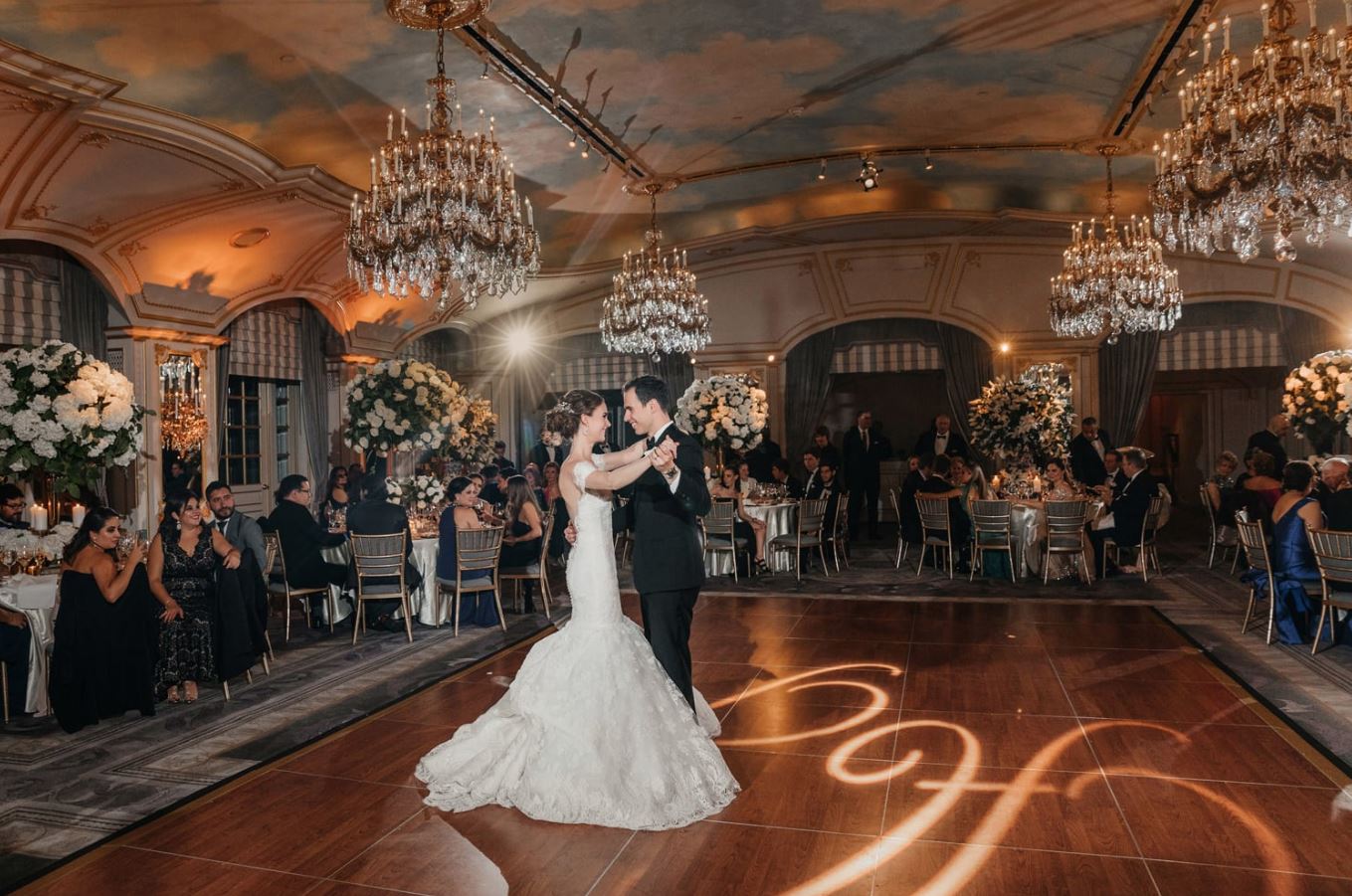
How Human Connection Turns Ordinary Events into Living Art
The Emotional Architecture of Every Event
Every event begins as an idea, a pulse in the mind that imagines people coming together for a purpose greater than their daily routine. It may start with a single word such as celebration, reunion, or memory. From that single word grows a structure that will hold dozens or hundreds of people within its emotional design. Events are not merely scheduled happenings. They are orchestrations of time and feeling, carefully arranged to move people from anticipation to fulfillment. Each detail contributes to the invisible framework that keeps the experience cohesive. The lighting, music, layout, and even the temperature all act as emotional architecture. They influence how guests move, speak, and remember. Behind the visible elements lies an intent that ties everything together. The planner acts as a silent composer, translating human emotion into texture, color, and sound so that what begins as an abstract idea becomes something real, touchable, and memorable. When done with intention, an event ceases to be a sequence of tasks and becomes a living performance of connection.
The architecture of emotion is fragile yet powerful. It requires intuition to sense how people might feel when they enter a room or how they will transition from one moment to another. It calls for empathy rather than precision, a willingness to predict moods instead of outcomes. Each event carries its own tempo. Some are tranquil, filled with soft laughter and subtle exchanges. Others are vibrant, echoing with applause and excitement. The best planners and hosts learn to listen to that tempo early and design around it. They understand that the heart of an event lies not in what is done but in how it makes people feel. Every choice, from table settings to farewell gifts, becomes a language that guests unconsciously read, leaving them with impressions that last long after the final light fades.
The Subtle Science of Atmosphere
Atmosphere is the most elusive ingredient of any gathering. It cannot be seen or measured, yet it defines the experience more than any other component. An event with perfect coordination but no soul feels mechanical, while one with small imperfections but warmth and authenticity becomes unforgettable. To create atmosphere is to paint with senses. It is achieved through the balance of light and shadow, scent and silence, rhythm and pause. Every element must coexist naturally, as though it had always belonged there. When atmosphere works, it dissolves the boundaries between host and guest, between space and self. Everyone feels part of a shared moment suspended in time.
The creation of atmosphere begins long before the first guest arrives. It begins with storytelling. Every event should have a narrative that guides the design. A corporate gala might express achievement and future vision, while a wedding anniversary might embody gratitude and nostalgia. This narrative determines everything from color palette to seating arrangement. The trick is subtlety. Atmosphere must never feel forced. It should emerge organically, allowing guests to discover meaning rather than have it dictated. When people feel as though they are part of something rather than simply attending it, the event transcends logistics and becomes emotional architecture. That transformation is what separates a memorable gathering from a forgettable one.
The Alchemy of Planning and Intuition
Planning an event is often compared to conducting an orchestra. Every section must be tuned, timed, and harmonized, yet even the most meticulous plan can falter if it lacks intuition. Schedules and spreadsheets provide structure, but intuition fills the spaces between. It tells the planner when to slow the tempo or when to surprise the audience. True expertise lies in this balance between strategy and spontaneity. A successful event is not the result of flawless execution but of the flexibility to respond to human energy in real time.
Experienced organizers understand that events live in motion, not in control. They study flow as carefully as a musician studies rhythm. People move through spaces in patterns shaped by curiosity, comfort, and connection. Observing those movements allows planners to anticipate needs before they arise. The art of intuition involves reading subtle cues, like noticing when guests linger near natural light or when conversation clusters near sound. Adjusting lighting, rearranging seating, or shifting music mid-event can rescue a fading mood. This constant awareness transforms planning into a form of choreography. The planner is not only coordinating logistics but guiding emotion with invisible hands, ensuring that the event feels seamless even when changes occur behind the scenes. The harmony of intuition and planning is what turns chaos into elegance.
Design as Storytelling
Design in events functions as the visual language of emotion. Every chair, centerpiece, and color choice carries meaning. When these choices align, they tell a coherent story. The best event designs begin with one question: what feeling should guests carry when they leave? That feeling becomes the anchor. Every detail supports it. For example, an engagement dinner may focus on intimacy and closeness. Designers might use warm lighting, round tables to encourage conversation, and organic textures like linen or wood to soften the space. Conversely, a corporate awards night might emphasize energy and aspiration through crisp lines, reflective surfaces, and structured layouts. Both achieve beauty, but through different dialects of design.
Colors are storytellers of their own. Soft blush and ivory whisper romance. Emerald and gold convey luxury and depth. White and sage calm the mind while navy and silver speak of formality. Lighting enhances this dialogue, shifting emotion throughout the evening. During speeches, a soft amber glow invites stillness, while during celebrations, dynamic hues encourage movement. The most compelling event designs evolve as the night unfolds. They move through chapters just like a narrative, guiding guests through anticipation, wonder, and contentment. When design communicates emotion without overwhelming, it becomes invisible art. The guest does not analyze it. They feel it, and that feeling becomes memory.
The Flow of Human Connection
Every event, regardless of purpose, revolves around connection. People attend for conversation, inspiration, or belonging. The success of any gathering depends on how well it facilitates those connections. Seating arrangements, timing, and transitions all contribute to this invisible network of relationships. When guests feel comfortable, they engage naturally. When they feel confined or uncertain, energy dissolves. The host’s role is to guide this energy without appearing to control it. Introducing people thoughtfully, designing spaces that encourage mingling, and pacing the schedule with moments of rest all nurture human connection. A well-balanced event breathes like a living being, expanding during collective moments and contracting during reflection.
Connection is also created through storytelling. A good host or speaker can unify a room through words that resonate with everyone present. The same principle applies visually. A shared toast, a collective laugh, or a synchronized light display reminds guests they are part of something bigger than themselves. The most powerful events generate emotional contagion, where joy, gratitude, or awe spreads naturally. This sense of unity is why people continue to attend events despite the convenience of digital connection. No virtual experience can replace the warmth of shared presence. Human energy multiplies when gathered. It is that unseen multiplication that defines the heartbeat of every event.
The Element of Surprise
Surprise is the spark that keeps guests emotionally engaged. It transforms expectation into discovery. The best events use surprise strategically, not as shock but as delight. It might appear in a hidden performance, a sudden change of lighting, or a heartfelt video message. The goal is to reawaken attention without breaking flow. Each surprise should feel inevitable once it happens, as if the event had been waiting for that moment all along. When done right, these moments imprint themselves on memory with more strength than any decoration or menu ever could.
Surprise also reflects the personality of the hosts or the identity of the brand. It demonstrates creativity and care. A couple might surprise their guests with a late-night dessert bar themed around their first date, or a conference might unveil a live musician during intermission. The surprise itself matters less than the emotion it evokes. Anticipation, laughter, and awe are emotional connectors that heighten engagement. They remind guests that they are experiencing something unique. Planners must, however, balance surprise with consistency. Too many unpredictable moments can cause disorientation. The key lies in timing. A single moment of wonder at the right time carries more emotional weight than several scattered attempts. When planned with intention, surprise becomes a bridge between structure and spontaneity, adding dimension to the event’s story.
The Invisible Art of Hospitality
Hospitality transforms logistics into warmth. It is the invisible layer that separates a good event from an unforgettable one. True hospitality is about foresight, anticipating comfort before discomfort arises. It means understanding that guests remember how they felt more than what they saw. The most elegant décor will fade from memory, but the kindness of a well-timed gesture will remain. Hospitality begins at the first point of contact, whether it is an invitation, a welcome message, or a handshake. From there, it extends into every small detail, such as refreshing drinks before they are requested, providing quiet corners for conversation, or ensuring accessibility for all guests. These gestures require attentiveness, not extravagance.
Hospitality also involves inclusion. It recognizes that every guest arrives with different expectations and emotions. Some may come eager for connection, others may feel shy or anxious. The host’s awareness of this diversity determines the event’s emotional success. Inclusive design considers dietary preferences, cultural sensitivities, and physical comfort. It allows everyone to participate equally in the experience. When guests feel seen and valued, they open themselves fully to the moment. This openness transforms gatherings into communities, even if only for an evening. In the end, hospitality is not decoration. It is empathy in action, the quiet assurance that every person belongs.
The Afterglow and the Memory
The conclusion of an event is its softest chapter, yet it carries the heaviest emotional weight. After the applause fades and the final goodbyes echo, guests carry home the lingering energy of what they have just experienced. This afterglow is what defines the legacy of the event. Planners and hosts should never treat it as an afterthought. Small gestures, such as farewell gifts, digital follow-ups, or personal thank-you notes, extend the emotional lifespan of the gathering. They remind guests that the connection was real and valued. The afterglow is also where reflection begins. Attendees think about what touched them, what inspired them, and what they wish to recreate in their own lives.
For organizers, this phase provides insight and growth. Reviewing feedback, revisiting photographs, and analyzing flow helps refine intuition for the next creation. Yet beyond the data lies something more profound. Events change people. They spark new friendships, ideas, or memories that ripple outward long after the lights go out. In that sense, the afterglow is not the end but the quiet continuation of the story. The best events are never over. They evolve in the hearts of those who attended, carrying their emotional resonance into new moments of connection.
The Endless Dance of Celebration
Life itself is a sequence of gatherings, each one reminding us that connection is our most natural state. Events are the choreography of that truth. They draw us together to remember, to hope, and to celebrate. Whether it is a wedding, a concert, a dinner, or a milestone, every gathering echoes the same longing for shared experience. It is through these moments that we reaffirm our humanity. The lights dim, the crowd hushes, and something sacred happens when people breathe in rhythm. The dance of celebration continues long after the music ends because it lives in memory. Every event is a mirror reflecting what we value most: presence, togetherness, and joy that asks for nothing but to be felt. When we gather, we create living art, and that art will always belong to everyone who was there to witness it.