

Light Between Promises
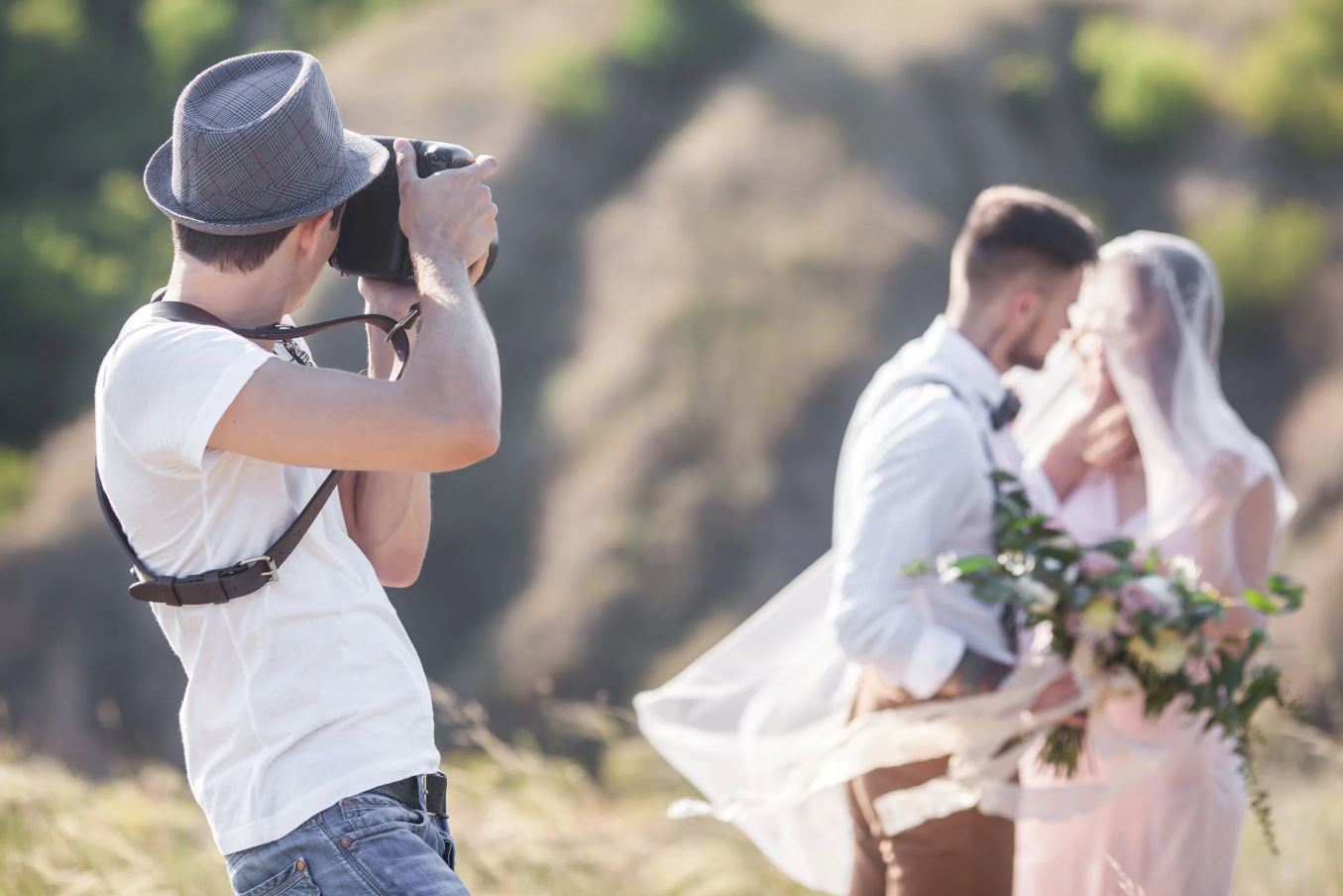
Wedding Photography Captures the Silent Language of Love
The Moment Before the Flash
Every photograph begins in stillness. The quiet before the camera clicks is the most intimate second of all, when two people, surrounded by beauty and chaos, fall into a silence that belongs only to them. Wedding photography is not simply about documenting a day. It is about recognizing that the fleeting moments between laughter and movement hold more truth than the posed smiles that follow. The photographer becomes both artist and observer, translating unspoken emotion into light. Before the lens meets the eye, before focus is locked, the atmosphere must be felt. This anticipation, this second of invisible connection, is where real storytelling begins. It is where emotion chooses to show itself, soft and unguarded, like sunlight touching water. Every great wedding image begins in that pause, where reality and dream meet quietly before becoming eternal.
The photographer’s task in that second is to listen rather than to act. Listening in this context means sensing rhythm, waiting for emotion to align with light, and letting subjects forget they are being watched. The goal is authenticity. The couple must feel that the camera is part of their atmosphere, not an intrusion upon it. The best photographs emerge from trust, from a shared understanding that the day is not being staged but honored. This trust builds over time, during planning sessions and conversations, and reaches its height in that silent prelude to the click. That is when memory begins to take form, one heartbeat at a time.
The Dance of Light and Emotion
Photography is a dialogue between light and feeling. In weddings, this dialogue becomes especially intricate because every emotion is heightened and every detail glows with significance. Light tells stories that words cannot. Morning light softens features, while evening light drapes the world in nostalgia. Photographers often refer to the golden hour, that delicate window of time when sunlight bends through the air in honeyed tones. During weddings, that light becomes more than a technical element. It becomes a metaphor for love itself, radiant and fragile, warm yet unpredictable. Learning to read it, to shape it gently around the couple, is an act of artistry that defines the entire craft.
Artificial light, too, plays a role in sculpting atmosphere. String lights above a dance floor, candles flickering in glass, the reflection of a chandelier on a gown, all these sources weave together to form emotional texture. Photographers move through these lights as choreographers, choosing angles that elevate mood rather than merely record it. Shadows become as important as illumination, suggesting mystery and depth. In wedding photography, emotion and light coexist like partners in a waltz. Neither can lead alone. The photographer must guide them with quiet confidence, ensuring that every captured moment feels as though it carries the warmth of truth rather than the coolness of performance.
The Story Hidden Between Frames
Every collection of wedding photographs forms a narrative that extends far beyond what is seen. The story is not linear but layered, stitched together from gestures and glances that appear ordinary until they are preserved. A look exchanged during the ceremony, a half-smile as vows are spoken, or a fleeting tear unnoticed by most, these fragments become the emotional backbone of the story. Good photographers anticipate them before they happen. They read the body language of love as if it were a familiar script. They sense when laughter is about to burst or when silence is about to turn sacred. The story emerges from intuition as much as from composition.
In post-production, the sequence of images reveals this hidden structure. Editing is not just correction but curation. Each photograph must converse with the next, guiding the viewer through emotion rather than time. The arrangement of images mirrors the flow of memory, which never moves in a straight line. Instead, it lingers, returns, and skips ahead. By assembling the narrative in this way, photographers allow couples to relive their day as they truly experienced it, through emotion, not chronology. The story between frames becomes an invisible thread that ties the entire event together, ensuring that every photograph feels part of something larger, something alive.
The Relationship Between Photographer and Couple
The dynamic between a photographer and a couple determines the authenticity of the images more than any camera or lens. Building that connection begins long before the wedding day. It starts with conversation, with shared laughter, with mutual understanding. The photographer must learn how the couple communicates without words. Every pair has a rhythm, some move gently and slow, others with spontaneity and energy. By understanding that rhythm, the photographer can anticipate emotion before it appears. The most meaningful photographs come not from instruction but from alignment. When a couple feels understood, their guard drops, and their real selves emerge naturally.
On the day itself, this relationship deepens. The photographer becomes a steady presence amid the movement, a calm observer who guides without dictating. The camera lens becomes an extension of empathy. Rather than directing every pose, the photographer follows the couple’s energy, encouraging them to be themselves. The best compliment a photographer can receive is that the couple forgot they were being photographed. That invisibility is a sign of trust fulfilled. When the final gallery is delivered, what the couple sees is not just their wedding but their connection reflected back to them through another person’s perspective. That reflection often reveals beauty they were too immersed to notice at the time.
The Poetry of Details
It is easy to think of wedding photography as focused solely on faces, yet the soul of a wedding often hides in its details. A lace ribbon tied around a bouquet, the way champagne bubbles catch candlelight, the soft imprint of shoes on a marble floor, these fragments compose the poetry of the day. Photographers must train their eyes to notice what others overlook. Details speak of preparation, intention, and love expressed through craftsmanship. They connect the human element to the aesthetic one. A close-up of a handwritten vow can hold as much emotional power as a portrait. It is through these details that the scale of emotion becomes tangible.
Details also provide rhythm within a photographic collection. After moments of grandeur, such as the ceremony or first dance, small quiet shots create balance. They offer the eye a moment to rest and reflect. Capturing details requires patience and mindfulness. It means moving slowly through the environment, respecting each object as part of the narrative. Light plays differently on glass than on fabric, and the photographer must adapt accordingly. When woven into the larger story, these images remind viewers that even monumental days are built from the tiniest moments. Every thread, every fold, and every flicker contributes to the larger tapestry of memory.
The Evolution of Style and Technology
Wedding photography has evolved dramatically over the decades. Once characterized by stiff poses and formal compositions, it now celebrates motion, emotion, and authenticity. This evolution mirrors society’s broader shift toward individuality and expression. Today’s photographers blend fine art with documentary techniques, creating images that feel both cinematic and personal. Styles vary widely, some prefer muted tones that evoke nostalgia, others embrace vibrant palettes that mirror the joy of the day. Each stylistic choice communicates a different emotional register. There is no single right approach, only one that aligns with the couple’s essence.
Technology has transformed what is possible. Digital cameras offer dynamic range and flexibility, while drones and mirrorless systems open new perspectives. Yet the heart of the craft remains unchanged: storytelling through observation. Editing tools allow precision, but restraint is essential. Over-manipulation risks draining authenticity. The best photographers use technology as a paintbrush rather than a disguise. They enhance natural beauty without fabricating emotion. As trends continue to evolve, the timeless goal persists: to freeze a moment so honestly that it remains alive years later. Style may change, equipment may upgrade, but the purpose stays the same, to honor love through light.
The Challenge of Presence and Memory
Photography at weddings demands a paradoxical state of mind: the photographer must be everywhere and nowhere at once. Presence allows them to capture the unfolding story; invisibility allows emotion to flow naturally. Balancing these roles requires deep awareness. The photographer watches without interfering, guides without commanding. Each shot becomes a conversation with time, a small negotiation between observation and intuition. This delicate balance is what allows photographs to feel real rather than staged. It requires patience, humility, and rhythm. The photographer must move like water through the crowd, adapting to energy rather than resisting it.
Memory complicates this balance further. Couples rarely remember the exact moment a photograph was taken, yet the image becomes their version of the memory forever. The photographer therefore holds great responsibility. Every frame must feel honest, not constructed. It should reflect the truth of emotion rather than the perfection of composition. The challenge is to capture not what people look like but what they felt. That difference defines great photography. When presence meets purpose, the result is imagery that transcends documentation and enters the realm of storytelling that endures across generations.
The Timeless Gift of Reflection
When all the lights have dimmed and the day has folded into memory, photographs become the living proof of experience. They outlast flowers, music, and even recollection. They are the tangible remnants of something intangible. Looking back at a wedding album years later feels like opening a door to time itself. Faces reappear, laughter echoes faintly, and the warmth of that day breathes again. This ability to travel through emotion is what makes wedding photography sacred. It is not just an art but a preservation of humanity at its most vulnerable and hopeful. Every image becomes a message to the future, saying, “This happened, and it mattered.”
For photographers, the legacy is equally profound. Each wedding captured adds to an unseen archive of human connection. Over time, their work becomes a mosaic of stories, cultures, and dreams, reflecting the endless variety of love. To photograph a wedding is to bear witness to joy and to freeze it in its most delicate form. The camera becomes an instrument of empathy. It reminds both the artist and the viewer that beauty is never still, yet it can be held long enough to remember. The true reward of wedding photography lies not in fame or portfolio but in the quiet gratitude of those who, years later, will turn the page and rediscover themselves through light.
The Eternal Frame
At the heart of every wedding photograph lies a truth too powerful to fade. Love, captured in light, transcends time. It speaks across generations, across memory, across silence. Every image becomes a testament that two lives met and chose to build something infinite in a finite world. The photographer, invisible yet present, becomes the keeper of that infinity. Long after the guests have gone and the laughter has settled into nostalgia, these images remain as living echoes. They remind us that every story, every heartbeat, and every promise once shared beneath the open sky can still be seen, still be felt, and still be loved each time the frame catches the light once more.