

The Kindness That Keeps Forever Alive
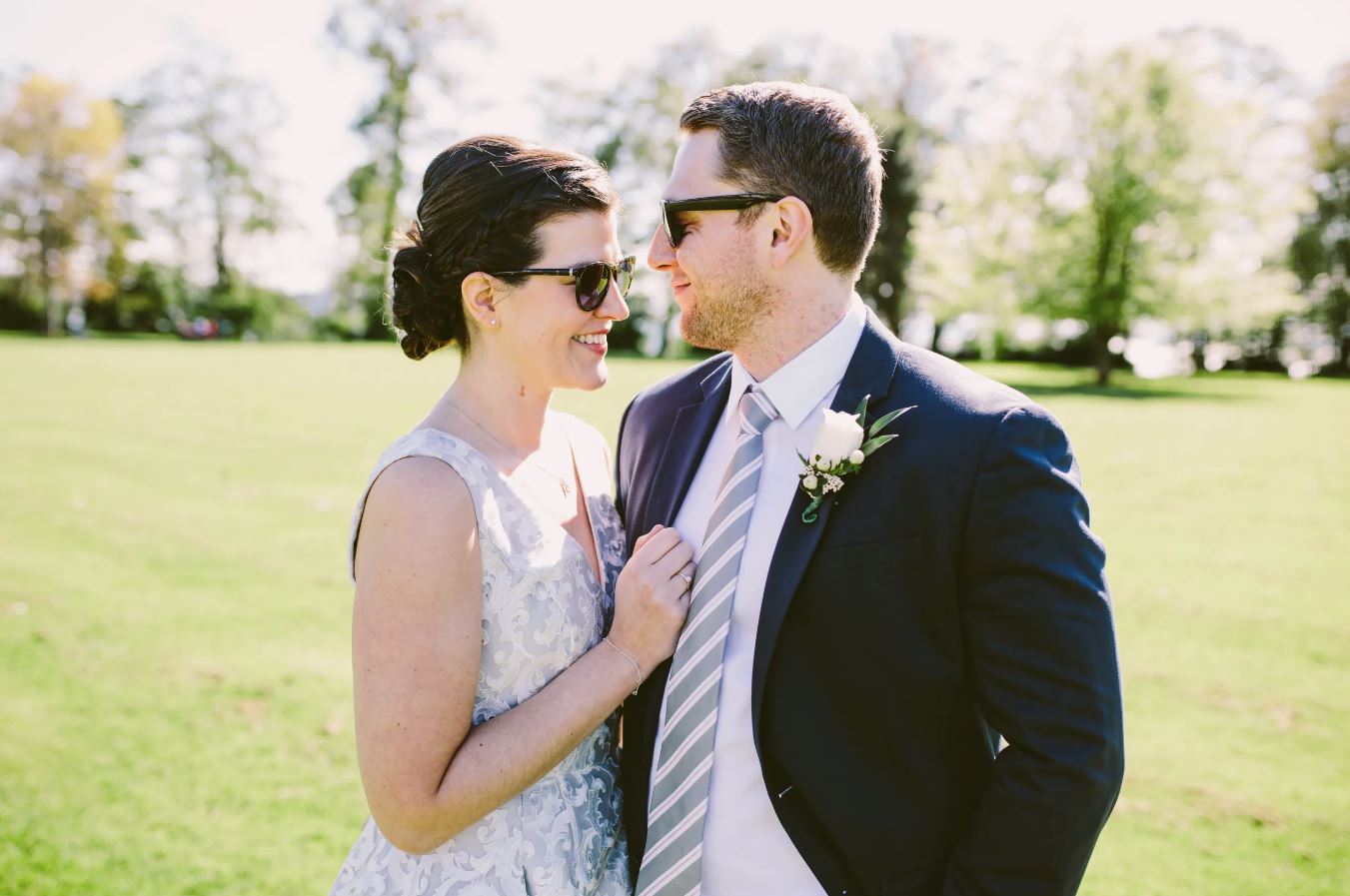
Reflections on How Two Lives Continue to Grow in Harmony After the Celebration Ends
Learning to Listen Beyond Words
Marriage begins with words, but it survives through understanding that often lives in silence. Listening, in its truest form, means hearing what is not being said. Every tone, pause, and expression carries meaning that words alone cannot hold. When couples learn to listen beyond surface dialogue, they begin to understand each other’s fears, joys, and vulnerabilities. Listening is not the same as waiting to speak; it is an act of attention, of presence. It requires humility to accept that the other person’s truth may differ from one’s own, and that both can exist peacefully side by side. Over time, this kind of listening becomes the foundation of emotional intimacy. It builds trust and reduces conflict because it tells your partner, “You are seen, you are heard, you matter.”
Silence within marriage does not always indicate distance. Sometimes, it is the space where love breathes and thoughts settle. Sitting together without needing to fill the air with words is a sign of comfort, of having grown into a rhythm where peace is mutual. Listening extends even to these quiet moments. It is the awareness that presence alone can communicate affection. In learning to listen with empathy and patience, couples discover that understanding each other is not about agreement but about connection. When love listens, it stays alive through every storm.
The Power of Small Gestures
Grand acts of love are memorable, but it is the smaller gestures that sustain marriage. The way one hand reaches for another during a long day, or how a partner leaves the light on for the other’s return, builds an unspoken language of care. Marriage thrives in the unnoticed details, the quiet rituals that repeat without ceremony. A kiss before parting, a shared meal, or a simple question like “Did you sleep well?” carries weight because it shows consistency. Love is not proven through scale but through intention. Small gestures accumulate into history, weaving a pattern of reliability and tenderness that becomes unbreakable.
Over time, these small actions form a rhythm, a pulse that both partners learn to trust. When life grows busy, or arguments rise like waves, it is these gestures that anchor the bond. A marriage does not fall apart because of one grand failure, but rather the gradual neglect of kindness. When couples nurture these gestures, they keep love visible even when words falter. The daily practice of noticing and doing, without being asked, becomes the art of devotion in motion. Small gestures are the architecture of forever.
The Evolution of Romance
Romance changes shape as marriage matures. What begins as passion often evolves into something quieter but no less profound. In the early days, love may be expressed through urgency, through the thrill of discovery. Over time, it transforms into a deeper kind of companionship. This shift is not a loss but an evolution. It marks the movement from desire to devotion, from fleeting sparks to a steady flame. Couples who embrace this transition find beauty in the ordinary. They realize that romance is not confined to moments of grandeur but can live within shared laughter over breakfast or the touch of a familiar hand after a long day.
Maintaining romance requires intention. It asks that both partners continue to pursue one another even after the vows are made. It could mean leaving notes hidden in drawers, planning unexpected dates, or simply looking at one another as if it were still the first time. Romance thrives on curiosity. When partners keep discovering new layers of each other’s minds and hearts, love never stagnates. It remains fluid, changing with time yet rooted in the same admiration that started it all. Romance in marriage is not about reliving youth; it is about deepening wonder. It is proof that passion, when nurtured, can age gracefully without losing its warmth.
Weathering Conflict with Grace
No marriage escapes disagreement. Conflict is not a symptom of failure but a sign of growth. What defines the health of a marriage is not the absence of argument but the presence of compassion within it. Anger, when handled with care, can reveal unmet needs rather than resentment. Couples who learn to fight fairly understand that the goal is not to win but to heal. They avoid using words as weapons and instead use them as tools to rebuild understanding. It is not the conflict that breaks relationships but the silence that follows unresolved pain. Open dialogue, guided by patience, transforms argument into opportunity.
Apologies hold transformative power. Saying “I was wrong” does not weaken love; it strengthens it. Forgiveness, when sincere, resets the emotional rhythm. It allows both partners to start again without carrying the weight of yesterday. Over time, couples who learn to navigate conflict gracefully develop resilience. They realize that every disagreement can either build a wall or deepen trust. Marriage asks not for perfection but for perseverance. The ability to pause, to breathe before responding, and to remember that the person you are arguing with is also the person you chose to love, is the heart of lasting harmony.
Shared Dreams and Individual Growth
Marriage is both a union and a coexistence of two evolving individuals. It thrives when both partners grow together without losing themselves. Shared dreams create direction, but personal growth keeps the relationship alive with new energy. When one partner pursues a passion or learns something new, it enriches both lives. Mutual support allows individuality to coexist with unity. Love that encourages freedom rather than possession becomes sustainable because it evolves with time instead of resisting it.
Couples who dream together often build stronger foundations. They plan for futures while appreciating the present. Whether it is a shared goal of travel, building a home, or nurturing a family, collective vision gives purpose to partnership. Yet, within those shared goals, personal aspirations should not be sacrificed. When one person grows, both rise. Respecting individuality fosters admiration. It keeps curiosity alive and prevents routine from becoming complacency. The secret lies in balance, holding on to togetherness without constraining independence. In doing so, marriage becomes a dynamic partnership rather than a static arrangement. It remains fluid, expansive, and deeply human.
The Role of Time and Ritual
Time is both a challenge and a gift in marriage. It tests patience but rewards consistency. Rituals, no matter how small, help couples navigate its passage with grace. Morning coffee together, evening walks, or weekly date nights create rhythm in a world of unpredictability. These shared habits become emotional anchors, providing continuity even when everything else changes. They are reminders that love is not sustained by grand gestures but by presence repeated over years. When time is treated as a companion rather than an enemy, marriage becomes less about endurance and more about evolution.
Couples often underestimate the power of pause. Taking time to reflect, to talk about dreams, or to simply sit together without distraction, nurtures understanding. Life’s pace can blur priorities, but intentional time keeps them clear. Rituals do not need extravagance; they need sincerity. Lighting a candle at dinner, revisiting old photos, or celebrating anniversaries with private traditions keeps memory alive. These moments allow couples to remember not just how far they have come but why they began. Time, when respected and honored through shared ritual, becomes the canvas on which love continues to paint its quiet masterpiece.
The Strength of Vulnerability
Strength in marriage does not come from control but from vulnerability. To open one’s heart fully, to reveal fears and weaknesses, is the greatest act of courage. Many people enter marriage believing that they must always appear strong. Yet, it is the willingness to say “I need you” that deepens connection. Vulnerability invites empathy. It allows love to exist not only in joy but in pain. When partners can cry together, fail together, and still choose each other, they build a love that no external force can weaken. Vulnerability transforms intimacy from physical closeness into emotional transparency.
Creating a space where vulnerability feels safe requires trust. Judgment must be replaced with compassion. When one partner shares a fear, the other’s role is not to fix but to hold, to listen. In this exchange, healing occurs. Marriage becomes a refuge rather than a stage. Vulnerability teaches that perfection is not the goal, authenticity is. Over the years, it becomes the thread that ties two souls closer, weaving a bond that grows deeper with each shared truth. In vulnerability lies the real power of love, the power to be seen entirely and loved still.
Building a Legacy of Kindness
At its heart, marriage is an ongoing act of kindness. Kindness endures where passion fades and holds where words fail. It is expressed through patience during stress, forgiveness during misunderstanding, and gentleness during change. The true success of a marriage is not measured by years together but by the compassion that fills those years. Couples who lead with kindness find that it softens even the hardest days. It allows laughter to return after arguments and hope to bloom after disappointment. Kindness turns partnership into sanctuary.
As time passes, kindness becomes legacy. It teaches children, friends, and family what love looks like in practice. A gentle tone, a shared smile, or a comforting touch may seem small, but they echo through generations. Love that is kind is love that lasts. In the end, every marriage becomes a reflection of the choices made daily, to choose patience over pride, gratitude over grievance, and tenderness over triumph. When couples live this way, their love becomes not just a relationship but a legacy of kindness, one that continues to illuminate long after the vows have faded into memory.
The Forever Within the Ordinary
In marriage, forever is not a distant concept; it is found in the moments that seem unremarkable. It lives in shared breakfasts, evening laughter, and the quiet exchange of looks that say everything without words. The strength of a marriage is built not on perfection but on presence. It is choosing each other, every day, through joy and uncertainty alike. Love’s greatest triumph is not surviving the extraordinary but cherishing the ordinary. When two people can find wonder in repetition, beauty in simplicity, and gratitude in imperfection, they discover that forever is not something to reach, it is something to live. The gentle art of staying in love is nothing more than this: to keep choosing, to keep listening, and to keep growing together beneath the tender light of time.