

A Dress Woven from Promise
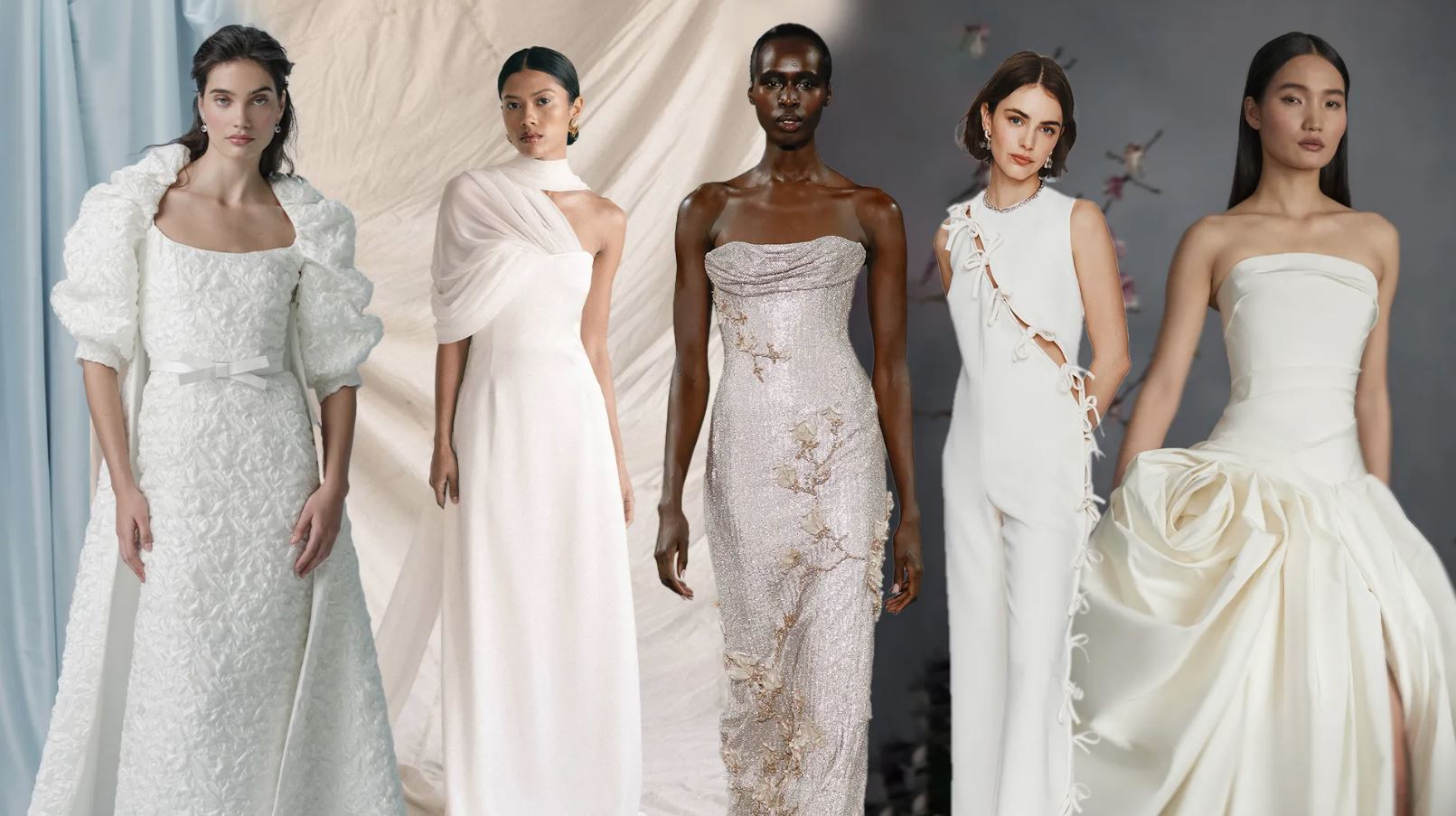
The Elegance and Evolution of Modern Bridal Fashion
The Language of the Gown
Every wedding dress speaks a language without words. Before fabric touches skin or a stitch finds its place, the gown already carries a voice. It whispers of identity, culture, and emotion. Bridal fashion is not merely about beauty, it is a form of storytelling that reflects the woman who wears it. From the sweep of a hem to the shimmer of a bead, every design decision becomes a sentence in that narrative. In every culture, the bridal ensemble is a translation of tradition into personal meaning. What began centuries ago as symbolism of purity and family heritage has become an art of self-expression. The modern bride chooses not what society expects but what her heart recognizes as truth. She might wear ivory silk embroidered with ancestral motifs, or she might stand in minimalist satin that gleams like moonlight. Each gown becomes a language of memory, emotion, and aspiration woven into a single garment. Designers understand this unspoken dialogue and work to craft garments that translate dreams into form. The success of a bridal look lies not in its ornamentation but in its resonance, in how perfectly it mirrors the quiet poetry of the woman who wears it.
The evolution of bridal fashion shows how emotional communication can shift with time. Once, tradition dictated color, structure, and length. Now, those rules bend under creativity. The language of the gown has become universal, fluid, and deeply personal. Designers have learned to listen to brides rather than dictate to them. This conversation has birthed a diversity of silhouettes and fabrics that allow individuality to shine. The gown, once a uniform of ceremony, has become a canvas of freedom. In that freedom, the modern bride finds her truest voice.
Threads of History Woven into Modernity
The story of bridal fashion is a history of reinvention. Each era has left its trace on the fabrics and silhouettes that define weddings today. In the early nineteenth century, white gowns gained popularity after Queen Victoria chose to wear one, transforming color into a symbol of celebration and prestige. The decades that followed brought corseted bodices, lace veils, and the language of propriety stitched into every seam. The twentieth century began breaking these constraints. The 1920s introduced fluid lines and daring embellishments, while the 1960s embraced simplicity as a form of rebellion. Each generation rewrote the visual vocabulary of love according to its own rhythm.
Modern bridal fashion reflects this lineage yet refuses to be confined by it. Designers draw inspiration from multiple time periods, merging vintage silhouettes with futuristic minimalism. The presence of hand embroidery on sleek modern cuts or translucent overlays on structured gowns shows how the past continues to breathe through innovation. Some brides embrace historical references deliberately, choosing Victorian lace or Renaissance-inspired sleeves as homage to continuity. Others reinterpret tradition entirely, crafting avant-garde designs that reject nostalgia. In both cases, the result is the same: the present moment is stitched together from pieces of history. The timeless appeal of bridal fashion lies in this balance between respect and reinvention. It is an ever-evolving dialogue between memory and imagination.
The Power of Fabric and Form
Fabric is the soul of a gown. The way it moves, catches light, or drapes around the body determines how a bride feels within it. Silk breathes warmth and luxury. Chiffon floats with grace. Organza holds its shape like sculpture. Each material carries a personality that must align with the bride’s spirit. Designers often describe fabric as alive because it responds differently to every movement and environment. The sound of tulle rustling or satin sweeping across stone floors becomes part of the experience. Texture defines not only appearance but also emotion. Smoothness can symbolize serenity, while intricate lace evokes intimacy and delicacy.
Form gives this fabric purpose. Silhouette determines how fabric translates emotion into presence. A-line shapes elongate, mermaid cuts celebrate curves, ball gowns command space, and minimalist columns suggest confidence. Choosing the right form is an act of self-discovery. Brides often find themselves reflected in certain silhouettes without fully understanding why. It is because the gown mirrors their essence. In that moment of fitting, when a woman stands before the mirror and feels time slow, she is not only choosing a dress but recognizing herself within it. Designers strive to make that recognition tangible. They sculpt fabric into emotion, creating garments that move with breath rather than resist it. In this harmony between material and form, bridal fashion transforms from craftsmanship into magic.
The Emotional Architecture of Design
Behind every gown lies a blueprint of emotion. Design in bridal fashion is architecture built from feeling. The neckline directs attention, the waist defines proportion, and the train extends narrative. Every seam follows intention. Designers use these elements not merely for style but to evoke emotional resonance. The success of a gown depends on how it frames a moment rather than how it photographs. The visual beauty must serve the inner experience. When the bride walks, sits, and embraces, the design must breathe with her. Comfort and confidence merge to create authenticity. No trend can replace this equilibrium.
Modern design houses approach bridal fashion as both science and art. They study how movement affects drape and how structure can enhance natural posture. 3D modeling and digital sketching have revolutionized the process, allowing designers to predict flow before cutting a single piece of fabric. Yet technology has not replaced intuition. A skilled designer senses where softness should fall and where tension should hold. They build gowns like sculptors shaping wind, balancing visual drama with tactile comfort. This architectural precision ensures that the emotional core of the day is supported by physical grace. The gown becomes not just attire but extension, a design that moves like a second skin through one of life’s most emotional performances.
Color Beyond Convention
While white remains the enduring symbol of weddings, the spectrum of bridal fashion has expanded beyond tradition. Color carries language as powerful as fabric. Soft blush suggests warmth, champagne glimmers with luxury, and pale blue whispers serenity. Modern brides embrace these shades as reflections of personality rather than rebellion. Even deeper hues such as gold, scarlet, and emerald have entered the bridal vocabulary, especially in multicultural ceremonies where color has always held symbolic weight. Each tone communicates emotion differently, allowing brides to curate mood through chromatic storytelling.
Designers have also reimagined white itself, exploring its many variations. Ivory softens harsh light, cream adds vintage warmth, and pure white radiates crisp clarity. Some combine gradients to create depth, layering translucent fabrics so that color seems to shift with movement. These subtle transitions reflect modern attitudes toward individuality and nuance. The choice of color no longer defines conformity but self-expression. In contemporary bridal fashion, the palette is as boundless as imagination. Each shade becomes a declaration, an unspoken promise that beauty belongs to authenticity rather than expectation. The world of bridal design has learned that color, like love, thrives in variation.
The Artistry of Accessories
No bridal look is complete without the art of adornment. Accessories serve as punctuation marks that complete the visual sentence of the gown. Veils, shoes, and jewelry each carry distinct meaning, turning the ensemble into a composition rather than a costume. The veil, once a symbol of modesty, now represents mystery and transformation. Its transparency allows emotion to be seen yet framed. Whether short and modern or cathedral-length and traditional, it introduces ceremony into movement. Jewelry speaks of heritage and sentiment. A necklace may come from a grandmother’s collection, a bracelet may mark a promise, or earrings may sparkle as a bride’s chosen talisman. These details elevate the personal into the sacred.
Even shoes have become an expression of creativity. Some brides opt for embroidered heels that echo the motifs of their gowns, while others choose comfortable sneakers that symbolize rebellion wrapped in joy. Headpieces, gloves, belts, and even capes have emerged as modern symbols of individuality. Each accessory tells a micro-story that supports the larger narrative. The harmony between them is essential. Over-decoration can obscure elegance, while restraint can emphasize purity of design. The art of accessorizing lies in balance, in letting every element enhance without overpowering. Accessories transform a gown from attire into portraiture, immortalizing personality in every sparkle, fold, and thread.
The Sustainable Bride
As consciousness grows around the world, sustainability has entered the lexicon of bridal fashion. Today’s bride seeks not only beauty but integrity. The movement toward ethical fashion has inspired designers to rethink materials, production, and longevity. Recycled fabrics, organic silks, and plant-based dyes have become viable alternatives to traditional textiles. Vintage revival has also returned to prominence, with brides restoring heirloom gowns rather than purchasing new ones. This trend connects generations while reducing waste. Sustainability in bridal fashion extends beyond material. It also encompasses purpose. Many designers create modular gowns with detachable sleeves, overskirts, or capes that allow transformation throughout the day and future reuse. These innovations prove that sustainability can coexist with elegance.
Eco-conscious brides also explore rental couture and digital fittings to minimize environmental impact. The modern concept of luxury now includes awareness and responsibility. Choosing an ethical gown becomes a statement of love for both partner and planet. Designers understand that this shift is not a temporary trend but an evolution in values. The sustainable bride represents the future of fashion, a future where beauty is inseparable from kindness. The result is bridal wear that tells not only a personal story but a global one, one that values craft, compassion, and continuity.
The Reflection of Identity
Fashion at its core is identity made visible, and nowhere is that truer than in bridal design. The gown becomes an external manifestation of the inner self at a pivotal moment in life. Some brides see it as armor, others as liberation. It can represent transformation, tradition, rebellion, or rebirth. Every choice, from neckline to fabric, tells a story of who she was, who she is, and who she will become. Designers play the role of translators, turning intangible emotion into tangible design. They listen for the essence behind each description and craft accordingly. In this process, identity takes form as art.
The diversity of modern weddings has expanded the spectrum of bridal identity. Gender-neutral designs, cultural hybrids, and adaptive gowns now honor individuality beyond convention. Brides and grooms alike embrace clothing that aligns with who they are rather than who they are expected to be. This inclusivity is reshaping the industry, reminding everyone that love defies uniformity. The reflection of identity through bridal fashion reminds us that authenticity will always be the most beautiful trend. It ensures that every aisle, every photograph, and every moment of celebration becomes a portrait of truth.
The Timeless Thread
When the ceremony ends and the gown is carefully stored or passed down, it carries more than lace and fabric. It holds the memory of movement, laughter, and love shared beneath its folds. Bridal fashion, though transient in wear, becomes timeless in memory. Each gown joins a lineage that stretches across decades, connecting women through craftsmanship and feeling. It is more than attire, it is testimony to artistry, identity, and the eternal human desire to honor love with beauty. The timeless thread that runs through every gown reminds us that fashion can capture emotion in ways words cannot. As long as people continue to promise forever, designers will continue to sew dreams into form, ensuring that the silhouette of love never fades from view.